

On this page
- Understanding Gun Violence Curriculum in Educational Settings
- Core Components of Effective Gun Violence Prevention Programs
- Trauma-Informed and Restorative Approaches
- Mental Health Integration and Suicide Prevention
- Warning Signs and Intervention: Early Detection and Response
- Community Engagement and Partnership Building
- Policy and Advocacy for Gun Violence Prevention
- Implementation Strategies and Professional Development
- Evidence-Based Outcomes and Success Metrics
- Sustainability and Funding for Long-Term Impact
- Current Trends and Persistent Challenges
- Conclusion
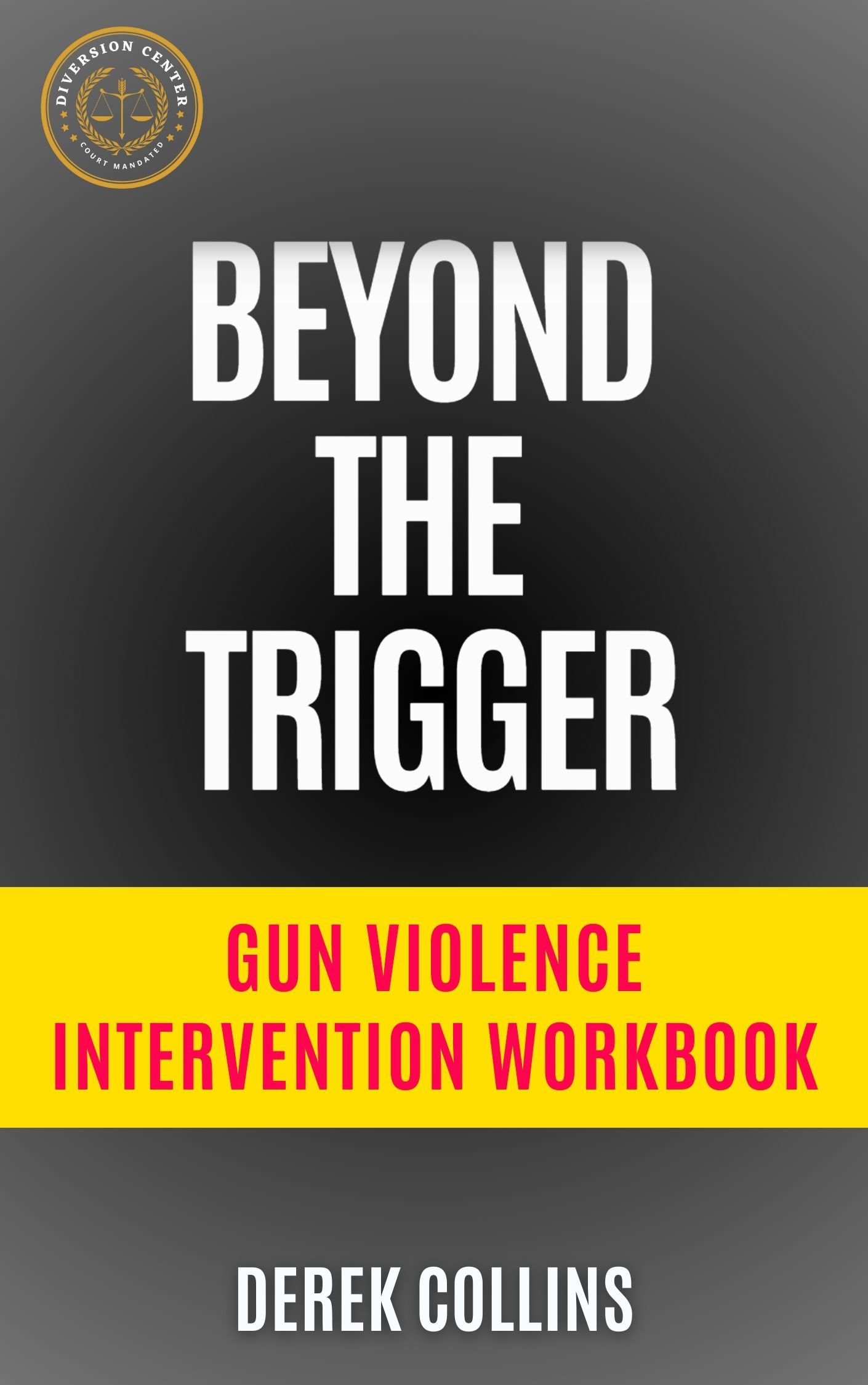
Gun Violence Intervention Workbook
Order Copies of this workbook at www.privatelabelworkbook.com
The landscape of school safety has fundamentally shifted in recent years, with educators and community members recognizing that preventing gun violence requires more than emergency drills and security measures. Today’s most effective approach centers on comprehensive gun violence curriculum—evidence-based educational programs designed to create safer environments through prevention, early intervention, and community engagement.
The United States has a significantly higher gun homicide rate compared to other developed countries, highlighting the severity of gun-related deaths and underscoring the urgency of implementing comprehensive gun violence curriculum.
One valuable resource is the Diversion Center’s Gun Violence Curriculum, which offers specialized psychoeducation and training tailored for Community Violence Intervention (CVI) programs and other community-based practitioners. This curriculum equips outreach workers and intervention specialists with the knowledge and skills to understand the dynamics of gun violence, address underlying trauma, and implement effective strategies to interrupt cycles of retaliatory violence. By providing targeted education on risk factors, conflict resolution, and behavioral intervention, the Diversion Center’s program supports CVI efforts to reduce firearm violence and promote safer communities.
Research shows that 75% of individuals who commit acts of school violence display warning signs beforehand, and peers are often aware of concerning behaviors. This reality underscores the critical importance of implementing structured educational approaches that empower students, educators, and community partners to recognize risks and take intervention actions before violence occurs.
Modern gun violence curriculum encompasses far more than traditional safety protocols. These programs integrate trauma-informed practices, youth mental health support, and community violence intervention programs to address the complex environmental factors that contribute to violence. From elementary schools implementing social inclusion initiatives to high school students participating in peer-led prevention networks, comprehensive curriculum approaches are demonstrating measurable success in reducing gun violence and creating positive school climate conditions.
Understanding Gun Violence Curriculum in Educational Settings
Gun violence curriculum represents a systematic approach to violence prevention that moves beyond reactive security measures toward proactive educational strategies. These evidence-based programs focus on teaching students and educators to recognize warning signs of potential violence, build empathy and social connections, and foster supportive school environments where all community members feel valued and included.
The evolution of these programs traces back to early initiatives like the STAR (Straight Talk About Risks) curriculum developed in the 1990s, which established foundational principles still relevant today: understanding conflict resolution, exploring alternatives to violence, recognizing harm associated with guns, and building self-worth as a protective factor. Contemporary gun violence prevention programs have expanded these concepts to include comprehensive mental health support, trauma-informed practices, and extensive community engagement strategies.
Modern curriculum development emphasizes prevention over preparedness, addressing underlying social, emotional, and environmental factors that contribute to violence before crises escalate. This approach requires adequate staffing of mental health professionals, trained educators, and support personnel who can implement evidence-based interventions effectively. Educators and community members are positioned to lead prevention and intervention strategies, guiding and supporting youth to reduce the risk of gun violence and foster safety and well-being in schools and communities. Schools implementing comprehensive gun violence curriculum report improved outcomes not only in safety metrics but also in overall school climate, student engagement, and academic performance.
The integration of trauma-informed practices represents a significant advancement in curriculum design. Recognizing that adverse childhood experiences affect approximately 64% of U.S. adults, programs now incorporate grief-sensitive interventions, restorative justice practices, and multidisciplinary team approaches to support students experiencing various forms of trauma and stress.
Core Components of Effective Gun Violence Prevention Programs
Successful gun violence curriculum incorporates multiple evidence-based components designed to create comprehensive prevention networks within educational communities. The most effective programs feature multilayered strategies that address social isolation, early warning sign recognition, and peer support systems.
Start With Hello programs serve as foundational elements for students in grades K-12, specifically targeting the reduction of social isolation through intentional community building. These initiatives teach young people practical skills for creating inclusive environments where every student feels seen, valued, and connected to their school community. The program’s emphasis on breaking down social barriers and encouraging meaningful interactions helps interrupt cycles of isolation that research identifies as risk factors for violence.
Say Something training empowers youth to recognize warning signs of crisis, particularly those involving threats to self or others, while providing clear pathways for reporting concerns to trusted adults. This component addresses the reality that peers often observe concerning behaviors before adults become aware of potential risks. Students learn to differentiate between normal adolescent struggles and serious warning signs requiring immediate intervention, while also understanding their role in maintaining school safety.
Anonymous reporting systems provide confidential channels for students to share concerns about potential violence, addressing barriers that might prevent young people from speaking up about serious situations. These systems recognize that many students possess crucial information about peers in crisis but may hesitate to report due to social pressures or fear of retaliation. Research indicates that anonymous reporting leads to swift crisis counselor response and local team intervention, often preventing planned violence before it occurs.
SAVE Promise Clubs create student-led, peer-driven networks that reinforce anti-violence messaging while cultivating supportive communities of young advocates. These clubs provide ongoing reinforcement of prevention messages and create sustainable peer support systems that extend beyond formal curriculum implementation. Students involved in these programs report increased awareness of violence prevention strategies and document several cases where early intervention directly saved lives.
Trauma-Informed and Restorative Approaches
The integration of trauma-informed practices represents a fundamental shift in how gun violence curriculum addresses the complex needs of students who have experienced adversity. Understanding that adverse childhood experiences affect the majority of the population, modern programs incorporate comprehensive approaches to supporting students impacted by various forms of trauma.
Grief-sensitive interventions specifically address the needs of students experiencing trauma from community violence, family loss, or other significant life disruptions. These approaches ensure that young people receive appropriate emotional and psychological support while maintaining their connection to educational goals and peer relationships. Trained counselors and support staff implement individualized interventions that recognize the unique ways trauma manifests in different students.
Restorative justice practices move educational responses away from punitive discipline toward approaches that restore relationships, address underlying causes of behavioral issues, and reduce the likelihood of future problems. Schools implementing restorative practices report improved mental health outcomes, enhanced school climate, and significant reductions in suspensions and expulsions. These approaches recognize that exclusionary discipline can actually exacerbate risk factors for violence by increasing social isolation and disconnection from supportive adults.
Multidisciplinary teams review individual cases and design trauma-responsive interventions using evidence-based approaches. These teams collaborate with external community health professionals, social services providers, and law enforcement officers when appropriate to deliver holistic responses that address students’ comprehensive needs. The team approach ensures that intervention actions are coordinated, consistent, and focused on long-term student well being rather than short-term behavioral compliance.
Building Safe and Supportive School Climates
Creating environments where students feel genuinely safe, respected, and connected requires intentional cultural shifts that go beyond policy implementation. Effective gun violence curriculum emphasizes the development of positive school climate conditions that serve as protective factors against violence while promoting overall student success. In many schools, high rates of gun-related incidents and safety concerns present significant challenges, and building a supportive climate is a direct response to these high rates.
Cultural competency initiatives like “Know Me, Know My Name” encourage educators to learn about their students’ backgrounds, interests, and challenges beyond superficial behavioral observations. These programs help identify at-risk students who might not display obvious warning signs while building meaningful relationships between students and adults. Research demonstrates that students are significantly more likely to report concerning behaviors when they perceive teachers and counselors as approachable allies rather than authority figures focused primarily on discipline.
Trust-building between students and staff serves as a cornerstone of effective prevention efforts. Education support professionals, who often maintain deep community connections and informal relationships with students, play increasingly important roles in prevention and intervention strategies. These staff members frequently serve as initial points of contact for students in crisis and provide crucial cultural bridges between school and community environments.
Alternatives to exclusionary discipline, including counseling services, restorative circles, and family engagement programs, address root causes of behavioral issues while maintaining students’ connection to educational opportunities. Schools implementing these approaches report reduced recidivism rates for behavioral problems and improved outcomes for students who previously might have been suspended or expelled. These practices recognize that pushing students away from school often increases rather than decreases their risk factors for involvement in violence.
Mental Health Integration and Suicide Prevention
The relationship between youth mental health and gun violence requires comprehensive attention within educational curricula, particularly given that firearm suicides among youth have increased by 30% since 1999. This alarming trend intensifies the need for robust mental health supports integrated throughout school programming rather than treated as separate initiatives.
School-based mental health professionals provide essential services but remain significantly understaffed in most communities relative to recommended ratios for psychologists and social workers. Effective gun violence curriculum recognizes these resource limitations while advocating for expanded mental health workforce development and creative service delivery models. Programs often include partnerships with community mental health providers to extend available services and ensure comprehensive coverage for students with varying levels of need.
Mental health screenings, early interventions, and crisis counseling represent core curriculum elements that require ongoing professional development for all school staff. Suicide prevention training ensures that educators, administrators, and support personnel can recognize warning signs, implement basic de-escalation techniques, and follow appropriate referral protocols. This training acknowledges that effective prevention often depends on the ability of various adults to identify and respond to students in crisis.
Community violence intervention programs extend mental health resources beyond school walls into students’ neighborhoods, addressing broader environmental stressors that significantly impact well being. These programs recognize that many students experience ongoing exposure to violence in their communities, which can create chronic stress responses and increase risk factors for various negative outcomes. Successful interventions often involve collaboration between schools, community based practitioners, social services agencies, and local organizations working to reduce neighborhood violence.
Substance abuse treatment integration acknowledges the complex relationships between mental health challenges, substance use, and increased risk for both perpetrating and experiencing violence. Programs provide screening, brief intervention, and referral services while maintaining focus on creating supportive rather than punitive responses to students struggling with substance-related issues.
Warning Signs and Intervention: Early Detection and Response
Early detection of warning signs is a cornerstone of effective gun violence prevention in schools and communities. Research shows that individuals who commit acts of violence often exhibit noticeable changes in behavior, such as increased aggression, withdrawal, or sudden mood swings, before an incident occurs. Recognizing these warning signs allows educators, students, community members, and law enforcement officers to intervene before potential violence escalates.
A collaborative approach is essential. Educators and school staff are often the first to notice shifts in student behavior, while community members and family members may observe changes outside of school. Law enforcement officers play a key role in supporting intervention actions and ensuring safety when credible threats are identified. By working together, these groups can develop comprehensive strategies to reduce gun violence and foster a positive school climate.
Anonymous reporting systems empower students and community members to share concerns about potential violence without fear of retaliation. These systems have proven effective in connecting at-risk individuals with mental health resources and support services, addressing underlying issues such as mental health challenges, substance abuse, and environmental factors that contribute to violence. By promoting open communication and early intervention, schools and communities can address the root causes of violence and support the well-being of all members.
Developing a culture of vigilance and care—where warning signs are taken seriously and intervention is swift—helps prevent gun violence and creates safer, more supportive environments for students and staff. Ongoing training for educators, students, and law enforcement ensures that everyone is equipped to recognize and respond to potential threats, reinforcing the shared responsibility of the entire community in violence prevention.
Community Engagement and Partnership Building
Effective gun violence prevention extends far beyond school boundaries, requiring sustained partnerships among families, community organizations, law enforcement agencies, and various social services providers. The most successful programs recognize that schools alone cannot address all factors contributing to youth violence and actively cultivate collaborative relationships with multiple stakeholders.
Family engagement strategies go beyond traditional parent involvement to include comprehensive education about violence prevention, warning sign recognition, and community resource utilization. Parents and family members receive training on supporting young people who may be experiencing trauma or demonstrating concerning behaviors. These programs also provide information about secure storage practices, conflict resolution strategies, and accessing mental health services when needed.
Partnerships with violence prevention organizations and social justice groups strengthen program implementation by bringing specialized expertise and culturally relevant approaches to different communities. Local and national organizations provide resources, training, and ongoing support that enhance schools’ capacity to address complex social issues. These collaborations often result in more comprehensive programming that addresses root causes of violence while building community resilience.
Law enforcement partnerships focus on collaborative problem-solving rather than punitive enforcement, emphasizing officers’ roles in prevention and community building. Effective programs include law enforcement officers in training initiatives, community dialogue processes, and joint response protocols that prioritize student well being while maintaining appropriate safety measures. These partnerships work best when they emphasize shared goals of violence prevention rather than traditional enforcement-focused approaches.
State and local health agencies play crucial roles in supporting advocacy for comprehensive workplace safety standards, including safe school facilities, emergency communication systems, and evidence-based prevention policies. These partnerships often extend into policy advocacy work that addresses broader structural factors contributing to gun violence, including access to firearms by high risk individuals and chronic violent offenders.
Secure Storage Education and Gun Access Prevention
Educational efforts targeting families and community members around secure firearm storage represent critical components of comprehensive gun violence curriculum. Programs like Be SMART operate in partnership with schools to provide gun locks, storage safes, and informational sessions that emphasize the importance of preventing unauthorized access to firearms.
Research demonstrates strong correlations between robust secure storage laws and significantly lower rates of youth gun suicide, highlighting the importance of both education and policy advocacy in prevention efforts. Many children report knowing the location of household firearms and sometimes accessing them without parental knowledge, which underscores the need for persistent outreach and education targeting both young people and adults.
Schools and partner organizations often engage in advocacy for broader safety measures including universal background checks, comprehensive gun safety policies, and restrictions on adolescent access to illegal guns. These advocacy efforts recognize that individual education, while important, must be combined with systematic policy changes to achieve maximum impact in reducing gun violence.
Summer youth employment programs and other positive youth development initiatives provide alternatives to high risk activities while building protective factors in young people’s lives. These programs often address economic factors that contribute to involvement in gun related violence while providing opportunities for skill development, mentorship, and community connection.
Policy and Advocacy for Gun Violence Prevention
Policy and advocacy are powerful tools in the effort to prevent gun violence and create safer communities. Community violence intervention programs, such as group violence intervention and cure violence, have demonstrated success in reducing gun violence by engaging individuals at highest risk and providing them with targeted support, mentorship, and resources. These programs rely on strong partnerships between law enforcement officers, community-based practitioners, and local organizations to interrupt cycles of violence and promote positive change.
Public policy plays a critical role in addressing the root causes of violence, including poverty, limited educational opportunities, and easy access to illegal guns. By advocating for comprehensive gun safety measures—such as universal background checks, secure storage laws, and restrictions on high-risk individuals—communities can reduce the risk of gun violence and protect vulnerable populations. Law enforcement officers and community leaders can work together to develop and implement these policies, ensuring that interventions are both effective and culturally responsive.
Research shows that summer youth employment programs are another effective strategy for reducing gun violence among young people. By providing job training, educational opportunities, and meaningful employment, these programs help youth develop valuable skills, build positive relationships, and reduce their risk of involvement in violence. Advocacy efforts that support the expansion of such programs contribute to long-term violence prevention and community well-being.
Ultimately, preventing gun violence requires a coordinated approach that combines evidence-based programs, strong public policy, and active community engagement. By investing in training, education, and advocacy, communities can develop sustainable solutions that protect young people and reduce the overall incidence of gun-related violence.
Implementation Strategies and Professional Development
Successful implementation of gun violence curriculum requires sustained commitment to professional development, adequate funding, and systematic approach to program evaluation and improvement. Federal grants, including those supported by the Bipartisan Safer Communities Act, provide crucial funding for training initiatives, resource development, and expansion of school-based mental health workforce capacity.
Safety committees that include union representatives, district administrators, community partners, and sometimes student voices are tasked with policy review, protocol development, and ongoing program evaluation. These committees ensure that implementation efforts remain responsive to local needs while maintaining fidelity to evidence-based practices. Collective bargaining agreements increasingly include language mandating training opportunities, crisis communication improvements, and formalized emergency protocols.
Professional development programs must address the reality that effective prevention requires skills beyond traditional educational training. Educators need preparation in trauma recognition, de-escalation techniques, crisis intervention, and cultural competency. Support staff require training in identifying warning signs, implementing restorative practices, and connecting students with appropriate resources. Administrators need skills in program evaluation, community partnership development, and policy advocacy.
Ongoing capacity-building efforts focus on hiring and retaining qualified counselors, psychologists, and social workers while also developing existing staff capabilities. Schools often struggle with recruitment and retention of mental health professionals, making creative service delivery models and partnership development essential for maintaining adequate support levels.
Training programs also emphasize the importance of self-care and secondary trauma prevention for adults working with young people who have experienced violence or other significant adversities. Sustainable programming requires attention to staff well being and professional sustainability alongside student-focused interventions.
Evidence-Based Outcomes and Success Metrics
The effectiveness of comprehensive gun violence curriculum is demonstrated through multiple types of evidence, from prevented tragedies to improved school climate indicators. Sandy Hook Promise programs, which include Start With Hello and Say Something components, have been credited with preventing at least 18 credible planned school shootings through comprehensive intervention approaches that identify and address concerning behaviors before violence occurs.
Anonymous reporting systems demonstrate particularly strong outcomes in connecting students in crisis with trained counselors and prompting rapid local team intervention. These systems often prevent planned violence by creating pathways for concerned peers to alert adults about serious situations. Schools implementing anonymous reporting consistently report increased utilization over time as students develop trust in the system’s effectiveness and confidentiality.
Student-led peer groups document measurable improvements in school climate conditions, including reductions in bullying, increased sense of safety among students, and enhanced connectedness between different social groups. Perhaps most significantly, participants in these programs report several documented cases where lives were directly saved through early intervention and peer support.
Research demonstrates robust correlations between strong gun safety policies at state and local levels and reduced violence rates in both educational settings and broader communities. This finding emphasizes the importance of combining educational interventions with policy advocacy to achieve maximum preventive impact.
Injury prevention specialists and public health researchers continue to evaluate program effectiveness using rigorous methodologies that can inform ongoing program improvement efforts. The american journal of preventive medicine and similar publications regularly feature studies documenting the impact of various intervention approaches, contributing to the growing evidence base supporting comprehensive prevention strategies.
Schools implementing trauma-informed and restorative approaches report significant improvements in suspension and expulsion rates, student academic performance, and staff satisfaction. These outcomes suggest that comprehensive gun violence curriculum benefits extend beyond safety metrics to include overall educational improvement.
Sustainability and Funding for Long-Term Impact
Achieving lasting reductions in gun violence depends on the sustainability and consistent funding of prevention efforts. Community violence intervention programs require ongoing investment to maintain their effectiveness and reach individuals at high risk. By prioritizing funding for these programs, communities can ensure that violence prevention strategies remain robust and responsive to changing needs.
A public health approach to gun violence prevention, including injury prevention and preventive medicine, addresses the broader social and environmental factors that contribute to violence. Research from institutions like the Johns Hopkins Center for Gun Violence Prevention highlights the effectiveness of community-based strategies in reducing gun violence and improving overall well-being. These approaches focus on early identification of warning signs, targeted intervention, and support for individuals and families most at risk.
Schools play a vital role in sustaining prevention efforts by implementing evidence-based programs such as Start With Hello and Say Something. These initiatives teach students and educators how to recognize warning signs of potential violence and seek help, fostering a positive school climate and reducing risk. Ongoing training and professional development for educators and students are essential to ensure that these programs remain effective and adaptable.
Developing sustainable solutions to gun violence requires collaboration among schools, community organizations, public health agencies, and policymakers. By investing in long-term funding, building strong partnerships, and continuously evaluating program outcomes, communities can create environments where violence is less likely to occur and all members can thrive. The commitment to sustainability not only reduces the risk of gun violence but also promotes the overall well-being and resilience of schools and neighborhoods.
Current Trends and Persistent Challenges
The field of gun violence prevention in educational settings continues evolving, with increasing emphasis on mental health integration, trauma-informed practices, and social-emotional learning approaches. However, persistent challenges remain that require ongoing attention and creative problem-solving approaches.
Resource disparities between different schools and communities create unequal access to comprehensive programming, with some institutions able to implement full-service approaches while others struggle to provide basic mental health support. These disparities often reflect broader inequities in educational funding and community resources that require systemic rather than programmatic solutions.
Cultural barriers to reporting and intervention present ongoing challenges, particularly in communities where distrust of authorities or cultural stigma around mental health create obstacles to program participation. Effective programs increasingly emphasize cultural competency and community-based partnership development to address these barriers.
Political divisions regarding gun ownership and gun safety laws sometimes create tension around program implementation, requiring careful attention to community values and stakeholder engagement. Successful programs often emphasize shared values around child safety and community well being while avoiding partisan political messaging.
The highest risk communities often face multiple stressors including poverty, community violence, and limited access to services that require comprehensive rather than single-issue responses. Programs serving these communities increasingly adopt public health approaches that address multiple risk factors simultaneously while building on existing community strengths and resources.
Experts broadly agree that reducing gun violence in schools requires sustained commitment to prevention approaches that build inclusive environments, deliver targeted supports, and ensure all stakeholders are equipped with appropriate knowledge and skills. The johns hopkins center for gun violence solutions and similar research institutions continue developing evidence-based guidance for program improvement and expansion.
Conclusion
Comprehensive gun violence curriculum represents a fundamental shift from reactive security measures toward proactive prevention strategies that address the complex factors contributing to violence in educational settings. These evidence-based programs demonstrate that schools can significantly reduce risks while simultaneously improving overall climate and student outcomes through systematic attention to social-emotional learning, trauma-informed practices, and community engagement.
The success of initiatives like Sandy Hook Promise’s prevention programs, which have documented prevention of multiple planned school shootings, illustrates the life-saving potential of well-implemented educational approaches. Similarly, the positive outcomes associated with anonymous reporting systems, student-led peer support networks, and trauma-informed disciplinary practices provide compelling evidence for comprehensive curriculum implementation.
Moving forward, the most effective gun violence prevention efforts will continue integrating mental health support, community partnerships, and policy advocacy while maintaining focus on creating educational environments where all students feel valued, supported, and safe. Success requires sustained commitment from educators, families, community members, and policymakers working together toward shared goals of violence prevention and positive youth development.
For educational leaders considering implementation of gun violence curriculum, the evidence strongly supports beginning with comprehensive needs assessment, stakeholder engagement, and commitment to evidence-based practices. The lives saved through effective prevention far outweigh the investments required for proper program implementation, making comprehensive gun violence curriculum an essential component of modern educational practice.
Learn more about the gun violence intervention curriculum here: Gun Violence Intervention Curriculum and Training – The Diversion Center
Need an evaluation or class?
Talk to The Diversion Center — virtual and in-person across Georgia.
